
Heat and humidity can be hard on metal parts.
During warm, humid months, moisture in the air can contribute to surface oxidation and corrosion on unprotected ferrous metal components. And the problem does not necessarily disappear when summer ends. Parts that have been sitting in storage, waiting for assembly, moving through production or traveling through the supply chain may begin showing signs of rust weeks or months later.
For manufacturers, that can create an expensive question:
Do these parts need to be scrapped, or can the rust be removed and the parts recovered?
In many cases, surface rust can be addressed using either chemical or mechanical rust-removal processes. The right approach depends on the material, part geometry, severity of the corrosion, dimensional requirements and what needs to happen to the component afterward.
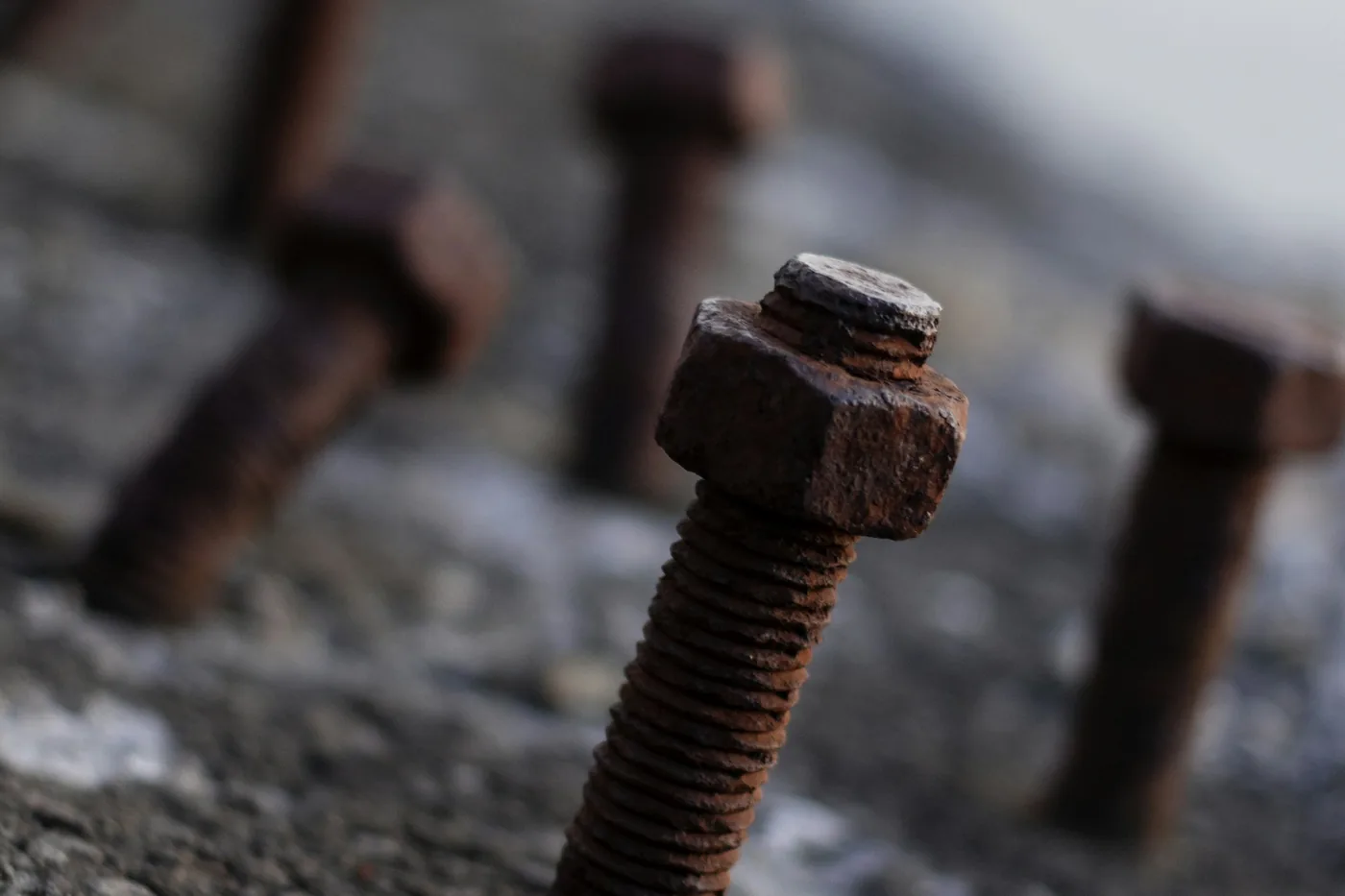
Why does humidity cause metal parts to rust?
Rust forms when iron or steel is exposed to oxygen and moisture. High humidity can create conditions where even parts that never appear visibly wet are exposed to enough moisture to begin the corrosion process.
Several factors can increase the risk:
- High humidity and temperature fluctuations
- Condensation
- Long-term storage
- Inadequate protective coatings or corrosion inhibitors
- Parts stored in uncontrolled environments
- Moisture introduced during shipping or handling
- Contaminants left on the metal surface
- Delays between manufacturing and final finishing
This is why manufacturers sometimes discover rust on parts that appeared perfectly acceptable when they originally went into storage.
Do not assume rust means scrap
Discovering corrosion on hundreds or thousands of manufactured components can be frustrating, especially when significant machining, material and labor costs are already invested in those parts.
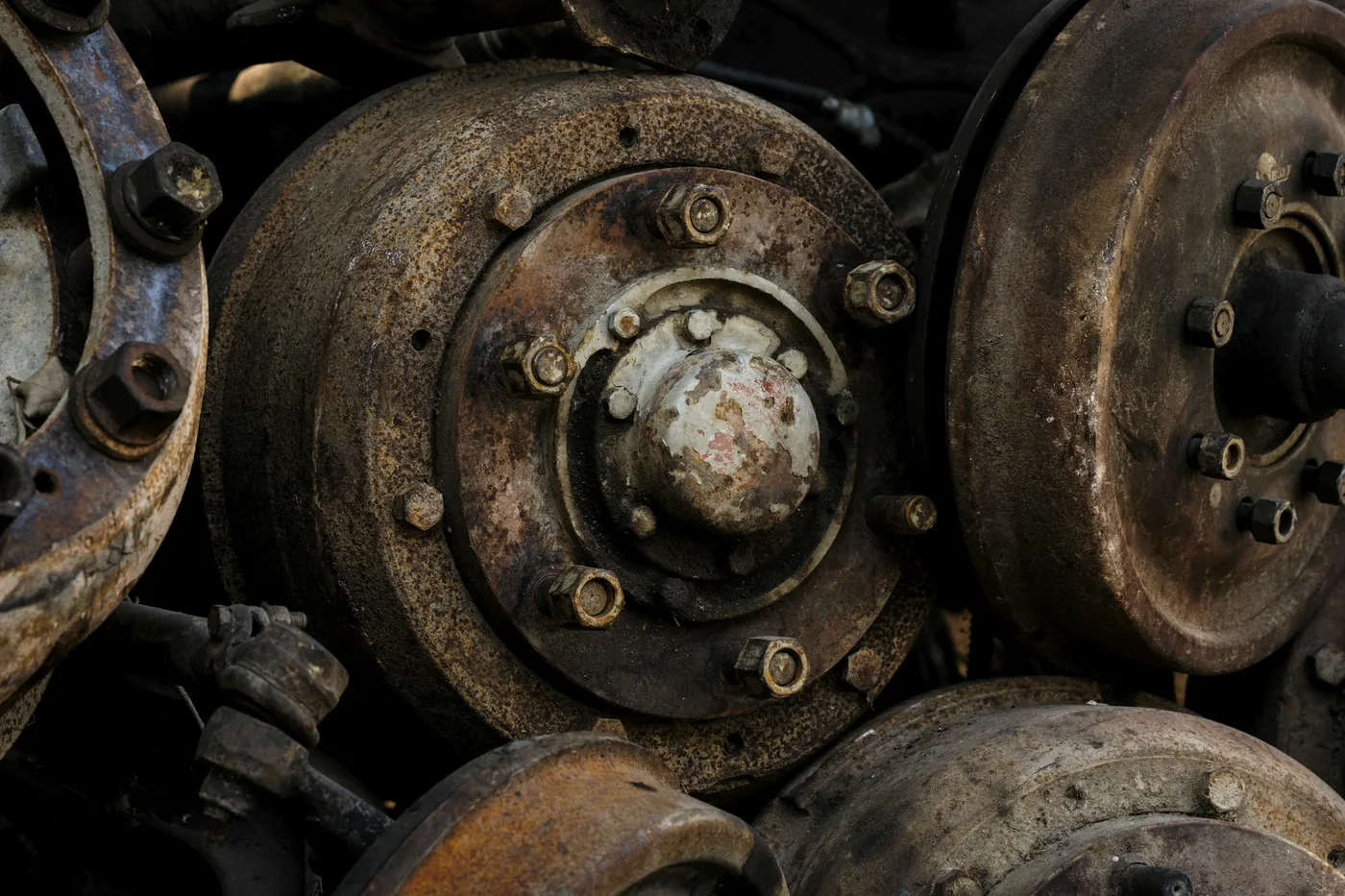
Before automatically scrapping affected inventory, it may be worth determining whether the corrosion is primarily on the surface and whether the parts can be restored without compromising critical requirements.
Mechanical Finishers can evaluate the parts and determine whether chemical rust removal, mechanical rust removal or another finishing approach may be appropriate.
What is chemical rust removal?
Chemical rust removal uses a controlled chemical process to remove oxidation from a metal surface.
One of its advantages is the ability to reach areas that may be difficult to access mechanically, including complex geometries, recesses and other surfaces where blasting or mechanical media may not be practical.
Chemical removal may be considered when:
- Parts have complex geometry
- Rust is present in difficult-to-reach areas
- A uniform treatment is needed across the surface
- Mechanical abrasion is undesirable
- Parts require additional processing or finishing afterward
The appropriate chemistry and process must be selected for the particular material, condition and end-use requirements.
What is mechanical rust removal?
Mechanical rust removal physically removes corrosion from the surface using an appropriate mechanical finishing process.
Depending on the component and desired result, mechanical methods can be effective for removing rust, scale and other surface contaminants while preparing the part for its next manufacturing or finishing operation.
Mechanical removal may be appropriate when:
- Rust or scale is concentrated on accessible surfaces
- The component can tolerate the selected mechanical process
- Surface cleaning or preparation is also required
- Larger quantities of suitable parts need to be processed
- A particular surface condition is desired after rust removal
The important consideration is that there is no universal rust-removal process for every component.
Chemical or mechanical: which is better?
Neither process is automatically better. The better question is:
Which process is right for this part?
Several factors should be evaluated:
- Material. What type and grade of metal are we working with?
- Part geometry. Are there recesses, holes, threads or complex areas that need treatment?
- Severity of corrosion. Are we dealing with light surface oxidation or more significant corrosion?
- Dimensions and tolerances. Are there critical features that must be protected?
- Surface requirements. What condition does the surface need to be in after treatment?
- Next operation. Will the part be plated, coated, assembled, stored or shipped after rust removal?
Looking at the complete manufacturing requirement, not simply the visible rust, helps determine the appropriate process.
The best rust strategy is prevention
Removing rust can recover valuable inventory, but preventing corrosion in the first place is even better.
Manufacturers should pay particular attention to corrosion prevention during humid months and when components may spend extended periods in storage.
That can include reviewing:
- Storage conditions
- Humidity and condensation exposure
- Packaging
- Part cleanliness
- Handling procedures
- Corrosion inhibitors or temporary protective treatments
- The amount of time between manufacturing and final finishing
If rust continues appearing on parts, the issue may not simply be the part itself. The storage, handling or production process may need to be evaluated as well.
Have rusted parts sitting in your plant?
Before you scrap them, let us take a look.
Mechanical Finishers provides both chemical and mechanical finishing capabilities and can help determine an appropriate approach based on your parts, material, condition and final requirements.
Whether you are dealing with a handful of components or a larger batch of inventory that developed corrosion in storage, start by showing us the problem.
Send a photo, part print or description of the affected components and we will discuss your rust-removal options and quote the work.
Related MFI processes
Shot Blasting
Surface preparation for improved adhesion, cleanliness, and finish quality.
Learn moreParts Washing
Thorough cleaning to remove contaminants and prepare parts for next-step processing.
Learn morePassivation
Enhances corrosion resistance and helps preserve stainless steel performance.
Learn more